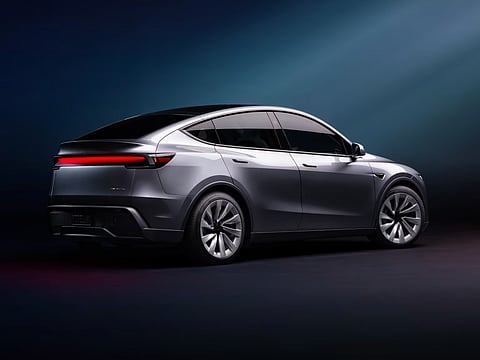

The world’s most-populous nation is proving a tough nut for Tesla. Since its high-profile debut in India in July, the EV giant has delivered just over 100 cars — a far cry from the 600-plus bookings reportedly secured by mid-September.
Tesla bets on bigger footprint as India sales stall after flashy debut. It is expanding its physical presence in India even as its early sales have fallen far short of expectations, prompting the US electric-vehicle maker to rethink its strategy for Asia’s third-largest economy. On Wednesday, the company inaugurated its largest Indian sales and service hub in Gurugram — an integrated facility that houses an experience centre, charging points and after-sales support — in an effort to recast its appeal to potential buyers.
Dealership data indicates Tesla has sold just over 100 cars in India since its much-publicised launch in July. Despite receiving a little more than 600 bookings by mid-September, only a fraction converted into deliveries once dispatches began. The company is now prioritising the development of India’s EV ecosystem — from charging networks to customer experience — to rekindle sales momentum.
Premium EV models from BMW, BYD and Mercedes-Benz have logged stronger festive-season sales, aided by selective tax cuts and established brand familiarity. Analysts say Tesla continues to face structural constraints: high import duties, slow EV adoption and the steep upfront cost of its vehicles.
At the Gurugram launch, India head Sharad Agarwal argued that ownership economics still work in Tesla’s favour. Buyers, he said, could save up to ₹20 lakh on fuel and maintenance over four years — approximately a third of the Model Y’s price — thanks to remote software-based servicing and significantly lower home-charging costs. “Most maintenance is done remotely, which reduces cost of ownership. And cost of home charging is one-tenth of petrol prices,” he said.
Electric vehicles currently account for less than 3 percent of India’s passenger-vehicle market, and charging coverage remains thin, with around 25,000 public chargers nationwide. Tesla’s cars can be charged at home — adding about 70km of range per hour — while its expanding supercharger network can deliver roughly 170 miles of range in 15 minutes.
Tesla’s India slump mirrors a wider cooling of EV demand across its biggest markets — the US, China and Europe. Despite record revenue of $28bn for the September quarter, the company’s profit fell 37 percent, squeezed by tariff impacts and rising R&D expenses.
In India, Elon Musk has so far shown little appetite for local manufacturing, sticking to an import-led model despite government incentives announced last year to attract global EV makers. Analysts say that unless Tesla commits to localisation, pricing and taxes will continue to weigh heavily on its market ambitions.

