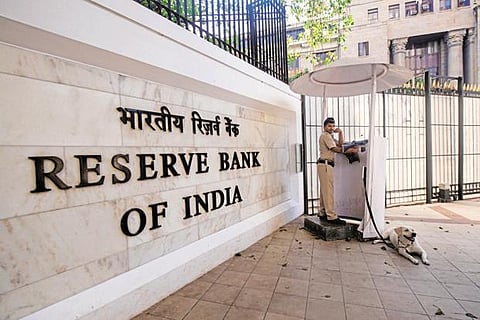

India’s banking sector is facing fresh uncertainty after the Reserve Bank of India capped net open rupee positions (NORP) in the forex market at $100 million, a move aimed at stabilising the currency but one that has triggered fears of sizeable trading losses.
A net open rupee position refers to the difference between a bank’s foreign currency assets and liabilities, including its exposure through spot, forward, and derivative contracts. When this position is large, banks are effectively taking bets on currency movements—profiting if the rupee moves in their favour but incurring losses if it does not. By capping these positions, the RBI is seeking to limit speculative activity and reduce volatility in the rupee, though it also restricts banks’ ability to earn trading income from such bets.
The directive, which must be implemented by April 10, comes at a time when the rupee is under pressure from rising crude oil prices and geopolitical tensions in West Asia. India’s heavy dependence on imported oil has amplified concerns over the current account deficit and capital flows, forcing policymakers to act decisively.
Market reaction has been swift. Banking stocks came under pressure amid estimates that forced unwinding of forex positions could lead to losses of up to ₹4,000 crore. The cap replaces the earlier limit of 25 percent of a bank’s capital, marking a significant tightening of norms.
A veteran banker described the move as part of a broader pattern of “unconventional policy actions” during periods of heightened uncertainty. Drawing parallels with the late-1990s currency defence under Bimal Jalan, he suggested that such interventions often emerge when markets enter uncharted territory. He also hinted that, if global tensions escalate further, India may need to explore mechanisms to attract foreign currency inflows.
The RBI’s action specifically targets arbitrage trades between onshore and offshore markets. Banks had built large positions—estimated at $25–35 billion—by exploiting price differences between domestic and non-deliverable forward (NDF) markets. These trades involved buying dollars locally and selling them offshore, putting additional pressure on the rupee.
With the new cap in place, banks must unwind these positions quickly. The widening gap between onshore and offshore rates has made exits costly, raising the risk of mark-to-market losses. Analysts say every 1 paise adverse movement in spreads can translate into significant hits to treasury income.
However, not all experts are convinced that the worst-case loss estimates will materialise. One analyst dismissed the ₹4,000 crore figure as overstated. He argues that the rupee’s recent depreciation—over 4 percent in the past month—means many of these positions were already profitable. Any losses from unwinding would largely represent a trimming of gains rather than outright erosion of capital.
Still, the broader impact on banks’ treasury revenues is undeniable. The clampdown is expected to curb a lucrative source of arbitrage income and increase short-term volatility in currency markets.
In the near term, the RBI’s move may provide some relief to the rupee. But with oil prices elevated and global risks intensifying, analysts caution that structural pressures on the currency remain intact, suggesting that stability may prove temporary.

