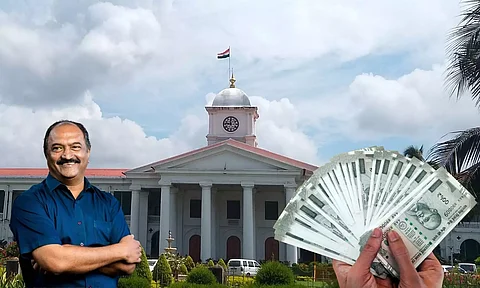

As Kerala nears its legislative assembly election, likely in April–May, the state government is set to present its budget on Thursday, January 29. With the tenure of the present government coming to an end, questions are surfacing on how substantial the budget can be, and whether it can deliver on the many announcements made recently.
The budget tabled in the assembly under these circumstances primarily serves as a vote-on-account — a short-term financial authorisation to meet essential expenditure — rather than a full policy roadmap for the financial year ahead. Constitutionally, a government is entitled to present a full annual budget even as its term winds down, but in practice, such last budgets often carry limited scope for structural fiscal reforms or long-term commitments.
A true vote-on-account typically covers unavoidable outlays such as salaries, pensions, interest payments and ongoing liabilities, while deferring major new taxes or policy shifts to the incoming government. This means that a range of high-impact announcements could remain contingent on the mandate and fiscal strategy of the next administration.
Kerala’s fiscal environment has been under pressure in recent years. Despite the state government increasing social security pensions and introducing several welfare measures ahead of previous polls, critics have questioned the sustainability of such measures without assured revenues.
Finance Minister KN Balagopal has indicated that the forthcoming budget will surpass the Rs 200 lakh-crore mark, reflecting both continuing commitments to welfare spending and efforts to maintain investment in education, development and other sectors. However, he has also emphasised that the document will adopt a “realistic and practical approach” given ongoing fiscal challenges.
Despite a notable hike in social security pensions in late 2025 — from Rs 1,600 to Rs 2,000 per month — beneficiaries continue to hope for further enhancements, given past manifesto pledges that aimed closer to Rs 2,500. Government employees are also watching closely for movement on deferred dearness allowance and pay revision issues.
The proximity of assembly polls has inevitably lent a political hue to budget preparations, with opposition parties and analysts questioning whether announcements are being timed for electoral advantage. The government, however, maintains that its measures reflect duty and responsibility towards citizens, even amid constraints in central funding and limited fiscal space.
With Kerala’s public debt and revenue pressures drawing national attention, the balance between electoral commitments and financial prudence will shape the state’s economic narrative as it heads into a pivotal election year.

