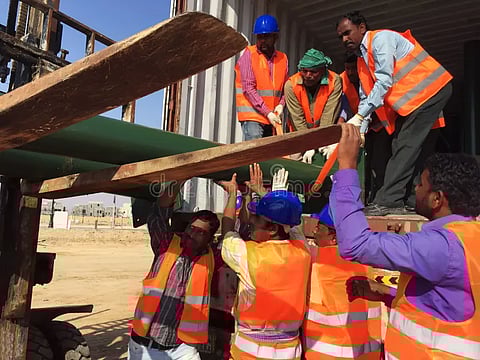

Kerala’s heavy dependence on migrant labour is once again being exposed, as a fresh wave of workers returning to their home states begins to disrupt key sectors such as construction and hospitality. The labour shortage is already slowing projects, pushing up costs, and affecting business activity across the state.
The reverse migration is being triggered by multiple factors:
Assembly elections in states such as West Bengal, Assam and Tamil Nadu
Supply disruptions linked to geopolitical tensions in West Asia, particularly affecting cooking gas availability
Improved opportunities or obligations back home
Together, these factors have prompted a significant number of migrant workers to leave Kerala temporarily, tightening labour supply.
The construction industry, one of the largest employers of migrant labour in Kerala, is among the worst affected.
Project timelines are being delayed
Labour costs are rising due to shortages
Smaller contractors are struggling to maintain work schedules
With migrant workers forming the backbone of the workforce, even short-term disruptions are creating ripple effects across real estate and infrastructure projects.
Hotels and restaurants are facing operational challenges:
Staff shortages are affecting daily operations
Service quality risks taking a hit
Businesses are being forced to increase wages to retain workers
For an industry already dealing with fluctuating demand, the sudden labour crunch is adding another layer of pressure.
Kerala’s economy relies heavily on migrant workers for sectors where local labour participation is low. This dependence means:
Any disruption in migrant inflow or retention quickly impacts productivity
Wage inflation becomes inevitable during shortages
Businesses face uncertainty in planning and execution
Recent developments underline how external events—whether elections or geopolitical tensions—can directly influence Kerala’s labour market.
The current situation is not an isolated episode but part of a recurring pattern. Labour shortages linked to migrant movement have surfaced multiple times in recent years, pointing to a deeper structural issue.
For businesses, this reinforces the need to:
Improve worker retention strategies
Diversify labour sources
Invest in mechanisation where possible
Without such measures, Kerala’s key sectors may continue to remain vulnerable to sudden disruptions in migrant labour supply.

