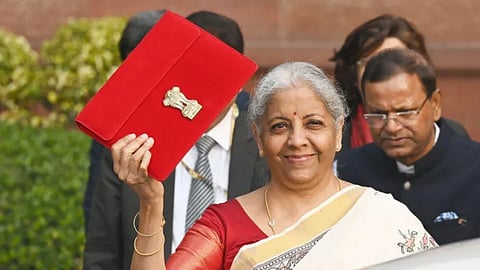

India’s economy enters the budget season with enviable headline numbers. Growth is estimated at 7.3 percent for the current financial year, gross domestic product is set to cross the $4 trillion mark, and India is poised to overtake Japan as Asia’s second-largest economy. Inflation has cooled sharply, staying below 2 percent and well under the Reserve Bank of India’s comfort zone. Strong agricultural output and healthy food grain stocks have also helped support rural incomes.
Tax cuts announced last year, along with the rationalisation of the goods and services tax, have boosted consumer demand, particularly during the festive season. The RBI has described this mix of high growth and low inflation as a “Goldilocks” phase — an economy expanding at just the right pace.
Yet, beneath this reassuring surface, structural stresses are becoming harder to ignore.
Official data suggests unemployment is easing, but the quality of jobs remains a concern. Demand for gig and informal work is still high, while stable, well-paying employment is scarce. The slowdown is stark in information technology, long considered the backbone of India’s urban middle class. The country’s five largest IT firms added a net total of just 17 employees in the first nine months of 2025, a dramatic contrast to decades of mass hiring.
This freeze reflects deeper disruptions, including the impact of artificial intelligence on India’s back-office and services economy, and a broader weakening of white-collar demand.
India’s export sector is also under strain. The continuing impact of the US’s 50 percent tariff has weighed heavily on shipments, particularly to the American market. While the government has pushed aggressively for trade diversification--most recently by concluding a long-awaited free trade agreement with the European Union--the immediate relief has been limited.
Analysts note that exports to non-US markets have picked up only marginally, raising questions about India’s competitiveness against rivals such as Vietnam and Bangladesh on cost, scale and quality.
Perhaps the most persistent concern is weak private investment. Corporate investment has remained stuck at around 12 percent of GDP for over a decade, reflecting excess capacity and muted demand. Foreign capital inflows have also been modest, held back by regulatory hurdles in land acquisition and labour flexibility.
Against this backdrop, the upcoming budget is expected to prioritise reforms and fiscal discipline. Support for manufacturing, exporters and MSMEs, alongside steady infrastructure spending, is likely to continue. However, with tax revenues under pressure, the government’s room for stimulus is limited, keeping deficit control firmly in focus.
The finance minister is likely to emphasise on two key pillars in the budget: more reforms and fiscal restraint. "Potential focus areas could include expanding the production-linked incentive scheme [incentives designed to boost domestic manufacturing] and support for MSMEs [medium and small sized enterprises] and exporters," analysts at Japan's Nomura say.
There could also be larger capital outlays for defence and a lowering of customs duty slabs as India tries to push exports.
The Modi government has spent more than $100bn annually on building new infrastructure like roads, railways and telecom equipment in the last four years. That trend is likely to continue – with capital expenditure expected to remain stable at 3% of GDP, according to ICICI Bank Global Markets.
But given last year's budget focused on easing pressures on the middle class - with income tax and GST cuts amounting to about 0.9% of GDP - the government's tax shortfalls are expected to widen. As a result the thrust will be on ensuring that the deficit is brought down, or at least maintained.
India’s growth story remains strong — but sustaining it will depend on tackling these underlying weaknesses head-on.

