
Cape Verde arrived at the FIFA World Cup as one of the tournament's smallest nations. They leave as one of its biggest success stories.
Ranked only 67th in the world before the competition, the island nation may not have lifted the trophy, but they earned something equally valuable – the admiration of football fans across the globe. Their fearless performances demonstrated that determination, teamwork and belief can bridge even the widest gap between underdogs and world champions.
Their campaign ended in dramatic fashion with a heartbreaking 3-2 extra-time defeat against defending champions Argentina. Yet the result did little to diminish what the Blue Sharks achieved during their remarkable debut.
Cape Verde's World Cup journey was filled with memorable moments.
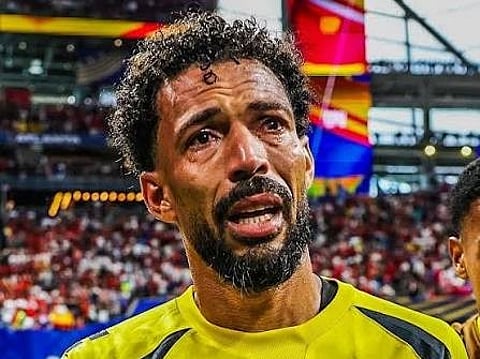
The tournament began with an impressive goalless draw against European champions Spain, earning the country's first-ever World Cup point. Goalkeeper Vozinha produced a string of outstanding saves that immediately made headlines around the world.
The team then celebrated another milestone by scoring their first World Cup goals against Uruguay before producing their finest performance against Argentina in the knockout stage.
Lionel Messi gave Argentina the lead, but Cape Verde refused to surrender. They equalised twice, including a spectacular long-range strike from Sidny Lopes Cabral that stunned the reigning champions.
Only a cruel deflection from Cristian Romero's header denied Cape Verde the chance to take the match to penalties.
Despite the defeat, they walked off the pitch with heads held high after pushing one of football's greatest teams to the limit.
Former Scotland international James McFadden summed up the feeling shared by many observers.
"Cape Verde have lost, but they've won."
Football experts praised the team's courage, discipline and unity throughout the tournament. Former England defender Gary Neville described the display against Argentina as one of the finest performances he had witnessed from an underdog, while Ian Wright hailed the team's extraordinary fighting spirit.
Their success also strengthened the argument for expanding the World Cup, proving that smaller footballing nations can enrich the tournament with fresh stories and genuine competition when given the opportunity.
For Cape Verde, the World Cup was about much more than results.
Manager Bubista said his players had shown that a small country could compete with the very best in world football. Matching the defending champions and twice drawing level against Argentina was, in his words, a historic achievement.
Defender Roberto 'Pico' Lopes perhaps captured the significance best. He noted that before the tournament many people asked where Cape Verde was located. After these performances, the nation no longer needed an introduction.
The World Cup transformed Cape Verde from an unfamiliar football nation into one recognised for its fearless style and competitive spirit.
Among the tournament's biggest revelations was veteran goalkeeper Vozinha. At 40 years old, he entered the World Cup without a club after leaving Portuguese side Chaves. He leaves as one of the competition's standout performers.
His emotional celebrations after the draw with Spain quickly went viral, but it was his consistency that truly impressed. Calm under pressure and commanding in goal, Vozinha made 18 saves during the tournament, the third-highest total among all goalkeepers.
His eight saves against Argentina kept Cape Verde in the contest until the closing moments of extra time and drew praise from pundits, who believe his performances could soon earn him a new professional contract.
Cape Verde's remarkable World Cup run offers lessons that extend far beyond sport.
Success is not always determined by size, wealth or reputation. Clear purpose, strong leadership, disciplined execution and unwavering belief can help smaller players challenge established giants.
For businesses, entrepreneurs and professionals alike, Cape Verde's campaign is a reminder that the greatest victories often begin with the courage to compete, regardless of the odds.
The Blue Sharks may have exited the tournament, but they leave behind a lasting legacy: on the world's biggest stage, belief can be just as powerful as pedigree.

