
Tata Sons, the holding company of the Tata Group, has reportedly begun preparations for a stock market listing that could value it at ₹18 lakh-crore, setting the stage for a major confrontation within one of India's largest business conglomerates.
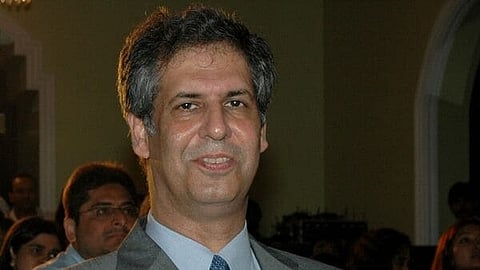
Chairman N Chandrasekaran is understood to be pushing ahead with the initial public offering (IPO) to comply with the Reserve Bank of India's (RBI) regulatory requirements, while Tata Trusts chairman Noel Tata continues to oppose the listing.
The differences have intensified ahead of the November 26 board meeting, which Noel Tata has reportedly sought to postpone. The meeting is expected to discuss both the proposed IPO and an alternative restructuring plan intended to keep Tata Sons privately held.
According to reports, Tata Sons has initiated preliminary work on the proposed listing, with a potential valuation reaching ₹18 lakh crore. This compares with an estimated valuation of approximately ₹15 lakh crore attributed to former director Y S Malegam.
Key developments:
Proposed valuation: Up to ₹18 lakh crore, although no final valuation has been announced.
Listing timetable: March to June 2027, subject to approvals and regulatory compliance.
Preparatory work: Corporate approvals, regulatory documentation and filing of the draft red herring prospectus (DRHP).
Board decision: The IPO proposal is expected to be a central issue at the next meeting.
The proposed valuation and timetable remain preliminary, with no formal IPO announcement from Tata Sons.
The regulatory dispute dates back to September 2022, when the RBI classified Tata Sons as an upper-layer non-banking financial company (NBFC), requiring it to list within three years.
Tata Sons subsequently repaid its debt and applied in 2024 to surrender its registration as a core investment company (CIC), seeking to avoid the listing obligation.
However, the RBI reportedly rejected the application in September 2026 and reiterated its position in November, maintaining that Tata Sons must comply with the listing requirement.
Noel Tata has proposed merging two operating businesses, Tata Electronics Systems Solutions and Tata Consulting Engineers, into Tata Sons. The restructuring is intended to increase the holding company's operating income and potentially change its regulatory classification, allowing it to remain unlisted.
The proposal has emerged as the principal alternative to Chandrasekaran's IPO strategy.
The disagreement follows tensions at the September 17 board meeting over Chandrasekaran's proposed third term as executive chairman. Noel Tata's latest request to defer the November 26 meeting could further delay a decision.
A Tata Sons listing could also have significant implications for several publicly traded Tata Group companies holding stakes in the parent entity.
Reported shareholdings in Tata Sons:
Tata Steel: 3.06%
Tata Motors Passenger Vehicles: 3.06%
Tata Chemicals: 2.53%
Tata Power: 1.65%
Indian Hotels: 1.11%
Tata Consumer Products: 0.43%
Tata Investment Corporation: 0.08%
Together, these seven listed companies hold approximately 11.94% of Tata Sons, according to the reported aggregate figure. The individually reported stakes add up to 11.92%, indicating a minor discrepancy in the published figures.
These investments could attract greater investor attention if the listing progresses, particularly as a public market valuation would provide a clearer reference for assessing their holdings.
However, the potential benefits would depend on the IPO structure, valuation and any subsequent stake sales.
The immediate focus is on whether the November 26 board meeting proceeds as scheduled or is postponed.
Any decision to launch an IPO would require further corporate and regulatory approvals. The outcome will determine not only the future ownership structure of Tata Sons but also the balance between regulatory compliance, shareholder interests and the group's longstanding preference for private ownership.
With the RBI maintaining its listing requirement and competing proposals dividing the leadership, the coming board deliberations could prove decisive for the Tata Group's future.
