
The Trump administration has scrapped a key climate rule that for over a decade formed the legal basis for regulating greenhouse gas emissions, triggering sharp political and legal reactions across the US.
By revoking the rule the administration scrapped the bedrock scientific determination that gives the government the ability to regulate climate-heating pollution. The move was described as "a gift to billionaire polluters” at the expense of Americans’ health.
The rollback targets the “endangerment finding” issued in 2009 by the Environmental Protection Agency (EPA), which concluded that greenhouse gases threaten public health and welfare. That decision empowered the government to regulate emissions from vehicles and other major pollution sources under the Clean Air Act.
Trump described the decision as “the single largest deregulatory action in American history”, calling it a major step in his administration’s broader push to ease environmental regulations and support oil and gas production.
• Removes the federal government’s ability to mandate tracking and limits on climate-heating emissions from cars and trucks.
• Opens the door for further rollbacks of emission standards.
• Signals a wider shift in US climate policy under the current administration.
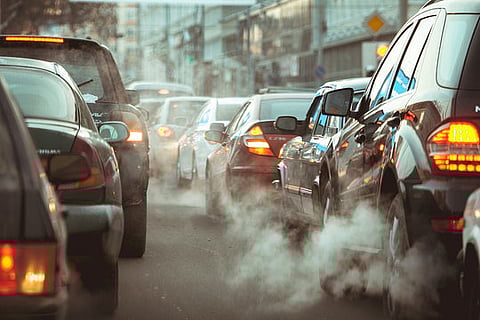
Transport is the largest source of greenhouse gas emissions in the US. While the current move directly addresses vehicle standards, former EPA officials say the logic could later be extended to power plants and other stationary sources.
Former President Barack Obama said the repeal would make Americans “less safe and less healthy”. Former Secretary of State John Kerry termed the decision “un-American”, warning of long-term climate risks.
California Governor Gavin Newsom said the state would challenge the decision in court. Environmental groups have also announced legal action.
EPA Administrator Lee Zeldin said the earlier climate determination had been used to impose costly regulations and argued that the repeal would save the US economy $1.3tn. Trump claimed the move would save consumers “trillions of dollars”.
However, advocacy groups dispute those estimates. The Environmental Defence Fund said a full repeal combined with weaker vehicle standards could add up to 18bn tonnes of additional emissions by 2055 and impose up to $4.7tn in climate-related costs over time.
The rollback comes weeks after the US administration announced steps to withdraw from key international climate arrangements and scale back federal climate science initiatives. Environmental advocates argue that the decision weakens long-standing public health safeguards and undermines global efforts to address climate change.
Legal challenges are expected to determine whether the repeal survives in court, setting up a fresh battle over the future of US climate policy.
