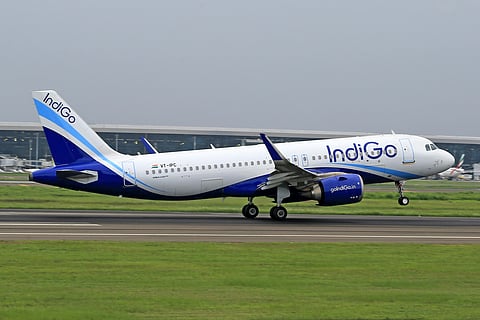

India’s aviation sector — one of the world’s fastest-expanding passenger markets — is grappling with its most severe disruption in years, after IndiGo’s operational breakdown triggered thousands of cancellations and highlighted the fragility of a market dominated by two airlines.
The episode has revived long-standing questions over whether India has become overly dependent on one carrier whose scale now makes any setback a nationwide problem.
IndiGo, which controls about 65 percent of the domestic market, has long been credited with democratising air travel through low fares and strong on-time records. But its dominance turned into a vulnerability last week, when a shortage of pilots — partly linked to inadequate planning for new duty-time regulations — forced the cancellation of more than 2,000 flights. The turmoil disrupted holiday travel, derailed wedding plans and left airports struggling to deal with mountains of unclaimed baggage, creating scenes unprecedented in India’s aviation history.
The crisis lands at a delicate moment. Air India, the country’s second-largest airline with a 27 percent share, is itself undergoing a major overhaul following years of unreliable service and fresh scrutiny after a fatal June crash. Analysts say the combined 92 percent share of IndiGo and the Air India group creates a duopoly-like environment that raises systemic risks for passengers, airports and regulators.
Despite government intervention — including temporary relaxation of pilot fatigue rules — and repeated apologies from IndiGo, the full financial impact remains unclear. Refunds have already crossed over Rs 600 crore, and industry executives expect revenue to take a meaningful hit. But reputational damage is likely to be more significant for a carrier whose brand has been built around punctuality and predictable service. IndiGo’s on-time performance, which averaged over 91 percent as recently as July, crashed to below 4 percent on Friday.
Aviation experts say India’s reliance on two carriers mirrors the vulnerabilities seen in other markets but is particularly acute considering the country’s rapid passenger growth. More than 17.4 crore people flew in 2024, 10 percent higher than the previous year. Yet many smaller airlines — from Kingfisher and Jet Airways to Go First — have collapsed under high taxes, intense competition and supply-chain pressures, leaving limited alternatives on many routes.
IndiGo’s leadership insists operations will stabilise soon, and the airline remains financially strong with revenues of $9 billion last fiscal year. But the episode marks a turning point for a company whose reliability once set the benchmark — and raises hard questions about how India plans to build a resilient aviation ecosystem as passenger numbers continue to climb.

