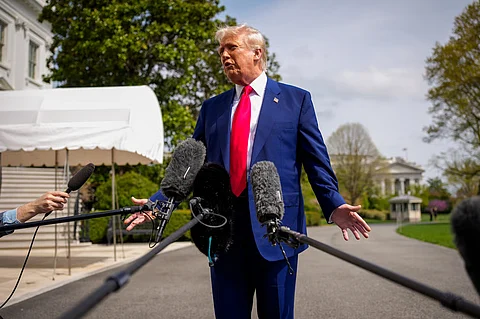

Global oil markets reacted sharply after Donald Trump signalled an escalation in the Iran conflict, reinforcing concerns over prolonged supply disruptions and a deepening energy shock.
Prices of Brent crude jumped more than 4 percent to move above $105 a barrel in volatile trading following Trump’s televised address, while WTI crude climbed over 3 percent to cross $103.
In his eagerly looked-for address to the nation on Thursday morning (IST), Trump sayid his core "objectives are nearing completion" in Iran. The roughly 20 minute speech also called on allies to "build up the courage" to secure shipping in the Strait of Hormuz, arguing that the US doesn't "need it".
Soon after the speech, global oil prices rose to $105 a barrel.
In his address, Trump indicated that the conflict could continue for several more weeks and reiterated the threat of targeting Iran’s power infrastructure if Tehran does not comply with US demands. The comments dampened earlier hopes in financial markets of a near-term resolution.
He also downplayed the strategic importance of Hormuz for the US, suggesting Washington could manage without the waterway — a stance that unsettled global markets given its critical role in energy trade.
The spike reflects mounting anxiety over the closure of the Strait of Hormuz, through which nearly a fifth of global oil supplies pass. Iran’s effective blockade of the route for over a month has already tightened global supply, pushing crude prices to multi-month highs.
Shipping disruptions have increased tanker insurance costs sharply
Freight rates for oil cargoes have surged
Asian importers, including India, face rising procurement costs
The immediate fallout was visible across asset classes:
US equity futures linked to the Dow Jones Industrial Average and S&P 500 declined in after-hours trading
Safe-haven demand is expected to lift gold prices further
Emerging market currencies, including the rupee, may come under pressure
For India, sustained crude above $100 a barrel poses significant risks:
Higher import bill could widen the current account deficit
Inflationary pressures may build, especially in fuel and transport
Fiscal calculations could be strained if fuel subsidies are revisited
With no immediate diplomatic breakthrough in sight, oil markets are likely to remain highly sensitive to geopolitical developments. Any escalation in the Gulf region — particularly involving shipping lanes or energy infrastructure — could trigger further price spikes.
At the same time, traders will watch for responses from major consumers and producers, including potential strategic reserve releases or output adjustments by OPEC+ nations.
The broader message from markets is clear: the geopolitical risk premium in oil is back — and rising.

