
US President Donald Trump has said the US would temporarily pause its effort to escort stranded commercial vessels through the Strait of Hormuz to allow space for negotiations with Tehran. He indicated that progress towards a “complete and final agreement” had been made, citing requests from countries including Pakistan.
However, the US blockade of Iranian ports remains in force, keeping pressure on Tehran despite the diplomatic outreach.
US Secretary of State Marco Rubio said the initial phase of military operations—referred to as “Epic Fury”—has concluded, though the broader conflict is not fully resolved.
The ceasefire in the region is holding for now
US operations in the Strait are “defensive in nature”
Iran must reopen the Strait and address nuclear concerns for lasting peace
Rubio stressed that reopening the Strait of Hormuz is critical for global energy stability and added that China could play a role in persuading Iran.
Despite the pause, risks to global shipping remain elevated.
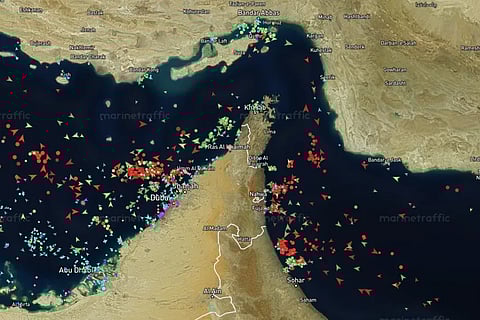
Hundreds of vessels are still stranded in the Persian Gulf
Only a handful of ships have passed through the US-protected corridor
Major shipping firms continue to avoid the route
German shipping giant Hapag-Lloyd AG said transit through the Strait remains “not possible” for now.
Iran’s effective closure of the Strait—one of the world’s most critical energy corridors—has disrupted oil and gas flows, pushing up global fuel prices and unsettling markets.
The US has deployed over 100 military aircraft to patrol the region, while continuing its blockade aimed at cutting off Iran’s oil revenues.
Tensions remain high, with the United Arab Emirates reporting fresh drone and missile attacks. Iran, however, signalled it has not yet fully responded to US actions in the Strait, suggesting further escalation cannot be ruled out.
Negotiations between Washington and Tehran are currently being conducted indirectly, with messages routed through Pakistan.
The situation remains fluid, with markets and shipping firms closely watching whether diplomacy can prevent another escalation in one of the world’s most vital trade routes.

