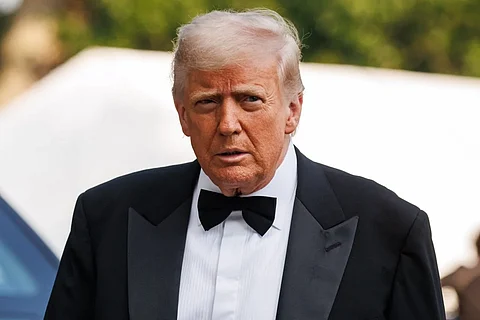

US President Donald Trump has said Washington will extend its ceasefire with Iran, delaying a potential escalation while negotiations inch forward. The move comes as the previous truce was set to expire this week, with little clarity on whether talks were making meaningful progress.
Trump indicated that the decision followed a request from Pakistan’s leadership, including Shehbaz Sharif and army chief Asim Munir, reflecting Islamabad’s growing role as an intermediary in the crisis.
Despite extending the ceasefire, Trump made clear that pressure on Tehran will not ease. The US will continue its blockade of Iranian ports, maintaining economic and strategic leverage while talks continue.
In a post on Truth Social, Trump said the US military had been instructed to remain “ready and able”, signalling that the ceasefire is conditional and could be reversed quickly if negotiations fail.
At the heart of the delay is Washington’s demand for what Trump described as a “unified proposal” from Iran — a sign that internal divisions within the Iranian leadership may be slowing decision-making.
The status of negotiations remains uncertain. Iranian officials have not confirmed whether they will send a delegation for talks, with a foreign ministry spokesperson indicating that no final decision has been taken.
Trump, meanwhile, described Iran’s government as “seriously fractured”, suggesting competing factions are struggling to agree on a coherent negotiating position.
This lack of clarity has stalled diplomatic momentum at a critical juncture, raising the risk that the ceasefire could unravel if talks do not advance soon.
Adding to the uncertainty, US Vice President JD Vance cancelled a planned visit to Islamabad, choosing to remain in Washington instead. The White House later confirmed that the trip would not take place, a move that may reflect shifting priorities or unresolved issues in the negotiation process.
Pakistan had been expected to host or facilitate discussions, positioning itself as a key intermediary between Washington and Tehran.
The extension of the ceasefire offers a narrow window for diplomacy, but it also underscores how precarious the situation remains. With military forces still on alert, economic pressure intact, and political divisions unresolved, the current truce appears less like a breakthrough and more like a temporary holding pattern.
Even as diplomacy continues, the toll of the conflict has been severe. According to reports, more than 5,500 people have been killed across multiple theatres since the war began.
Military casualties include 15 Israeli soldiers killed in Lebanon and 13 US service members across the region.

