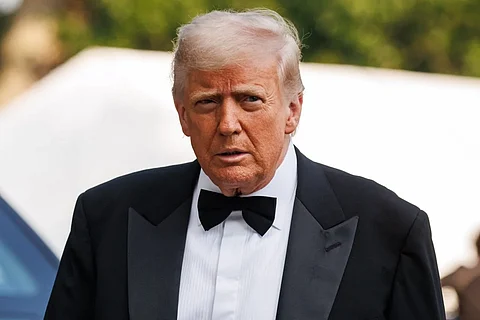

A sharp global market sell-off appears to have nudged US President Donald Trump to step back from the brink, as he delayed threatened military strikes on Iran’s energy infrastructure by 10 days and signalled that backchannel negotiations are gaining momentum.
The decision came within minutes of Wall Street closing one of its worst sessions this year, highlighting how financial market turbulence is increasingly shaping geopolitical signalling. Trump said talks with Iran are “going very well” as he extended the deadline for reopening the critical Strait of Hormuz to April 6.
Trump’s announcement to pause potential strikes on Iranian power plants marks a temporary de-escalation after days of aggressive rhetoric. He had earlier warned of attacks if Tehran failed to restore shipping through Hormuz.
The timing of the move—immediately after the market rout—has not gone unnoticed. Throughout his presidency, Trump has shown sensitivity to market movements, often using public statements and social media to steady investor sentiment during periods of volatility.
At a cabinet meeting earlier in the day, he acknowledged the market reaction but downplayed its severity. “I thought oil prices would go up more and the stock market would fall more,” he said, indicating that the administration still views the disruption as manageable.
Thursday’s trading session reflected mounting anxiety over a prolonged conflict:
The S&P 500 recorded its steepest fall since the Iran conflict began nearly four weeks ago
Bond prices weakened
Brent crude surged above $108 per barrel amid fears of supply disruption
The Strait of Hormuz, which carries a significant share of global oil trade, remains central to the crisis. Any disruption has immediate repercussions for crude prices and inflation expectations worldwide.
Despite the absence of formal negotiations, diplomatic engagement appears to be intensifying behind the scenes. The US is reported to have shared a 15-point peace proposal through intermediaries, possibly via Pakistan.
Iranian media claims Tehran has responded with a set of conditions, including security guarantees, financial reparations and assurances against future conflict. While both sides publicly deny direct talks, the exchange suggests a structured negotiation process may be emerging.
The pause follows a series of escalating warnings. Washington had threatened to target Iranian energy facilities, while Tehran signalled possible retaliation against key infrastructure in Gulf countries.
Trump’s messaging has also remained mixed—alternating between optimism about talks and hardline statements that Iran is under pressure to strike a deal.
The temporary easing has brought limited relief to global markets:
US futures moved higher after the announcement
Crude prices eased from peak levels, though volatility persists
Gold and other safe-haven assets continue to fluctuate
Investors remain cautious, watching whether the 10-day pause leads to formal negotiations and a sustained reopening of the Strait of Hormuz.
For now, markets appear to have secured a brief reprieve—but with geopolitical risks still elevated, volatility is likely to remain a defining theme.

